
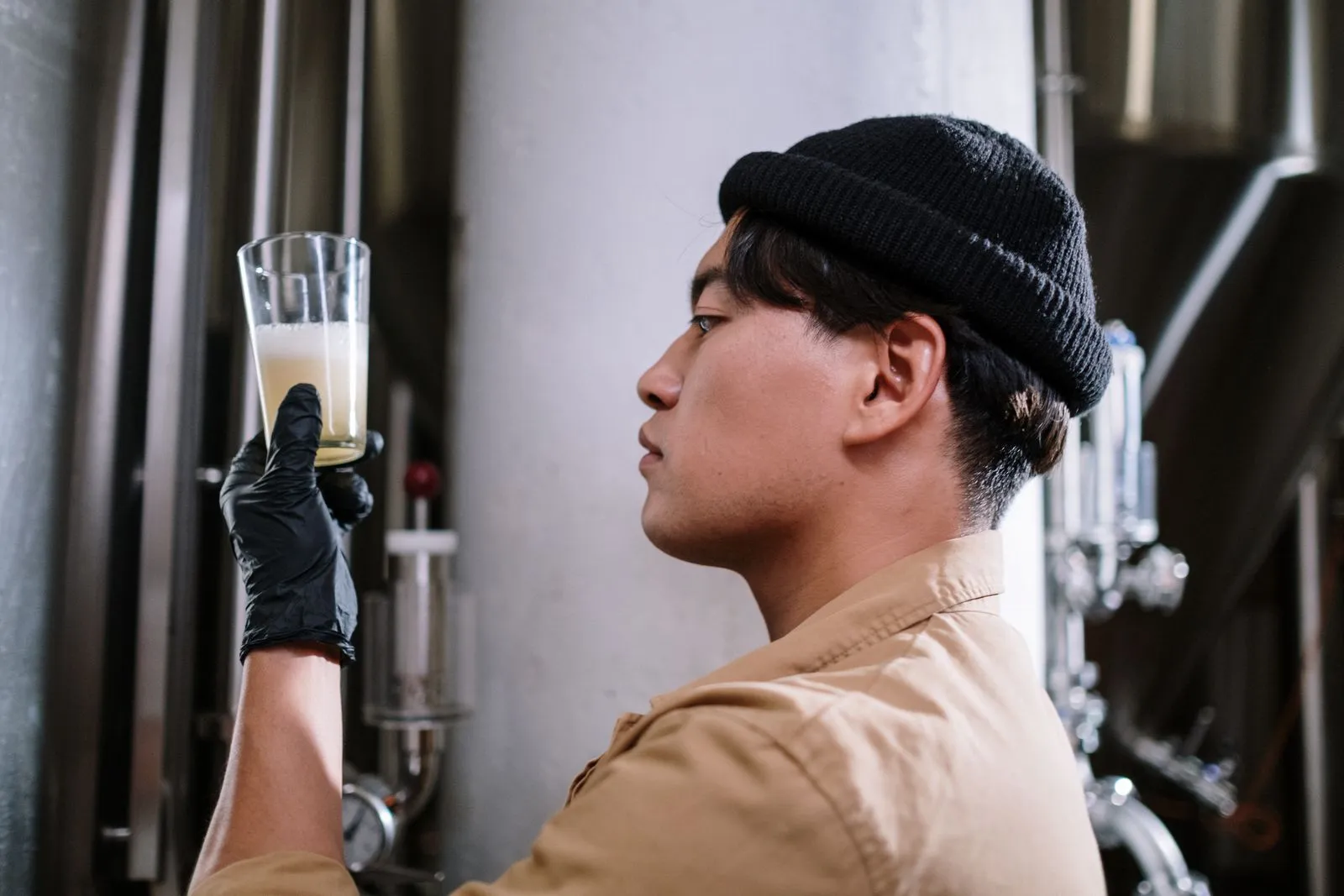
Sour beer’s tang comes from more than one ingredient or brewing step. Brewers guide yeast and acid-producing bacteria through fermentation, then balance the resulting acidity with malt, hops, fruit, and other additions. The process can produce anything from a gentle, yogurt-like tartness to a sharp, citrusy bite. Understanding how these choices interact helps explain why two sour beers can taste very different, even when both are described as tart.
Yeast Builds the Flavor Base
Yeast converts fermentable sugars into alcohol and carbon dioxide, but it also creates flavor compounds that shape a beer’s character. Different yeast strains can contribute fruity, spicy, earthy, or relatively clean notes. In a sour beer, those aromas sit alongside acidity, so the same level of tartness may seem softer or more vivid depending on the yeast profile.
Some traditional sour styles use mixed cultures that include specialized yeast, such as Brettanomyces. These organisms can develop additional aromas over time, including earthy or rustic notes. Brewers choose cultures based on the flavor they want and manage fermentation carefully, since mixed-culture beers can change as yeast and bacteria continue to interact.
Bacteria Create Acidity
Acid-producing bacteria are the main source of sour beer’s tartness. Lactic acid bacteria, including Lactobacillus and Pediococcus, produce lactic acid as they use available sugars. Lactic acidity often reads as smooth, bright, or reminiscent of yogurt. Acetic acid, produced by certain bacteria in the presence of oxygen, can taste sharper and more vinegar-like, so brewers control exposure to oxygen.
The balance between yeast and bacteria matters. Brewers may sour wort before the main fermentation, ferment with a selected culture, or use a longer mixed fermentation. Each approach affects when acids form and which flavors develop alongside them. Clean equipment and careful separation of cultures also help prevent unintended souring in beers that are not meant to be tart.
Time Changes the Result
Fermentation time gives microbes a chance to consume sugars and produce acids and aromatic compounds. A quick souring process can deliver a fresh, direct tartness, while extended fermentation may create more layered flavors. Longer does not automatically mean more sour: the result depends on the microbes, available sugars, temperature, acidity, and how the beer is stored.
Brewers monitor fermentation rather than relying on the calendar alone. They can track changes in acidity, taste samples, and check whether fermentation has stabilized before packaging. In bottle-conditioned beers, remaining yeast may continue to ferment priming sugars and build carbonation, so brewers account for that activity to reduce the risk of excessive pressure.
Ingredients Shape the Balance
Malt provides the sugars microbes ferment and the body that helps balance acidity. A pale, lean malt base can let tartness stand out, while richer malts may add a rounder impression. Hops also affect the balance: bitterness can clash with some forms of acidity, so many sour beers use restrained hopping or select hops that support the intended flavor.
Fruit, spices, and other additions can add aroma and change how acidity is perceived. Citrus, berries, and stone fruit may reinforce a bright impression, while sweetness or fuller body can soften the apparent bite. Ingredients do not necessarily change the beer’s measured acidity in the way they change its taste. Brewers consider both the beer’s acid level and the overall balance when shaping the finished flavor.
Sour beer’s character comes from the combined effects of its yeast, bacteria, fermentation conditions, time, and recipe. Acidity supplies the tang, while aroma, sweetness, bitterness, and body determine how that tang feels in each sip. To explore different expressions of sour beer, ask Culture Craft Brewing about the flavor profiles available.